
how-insurance-companies-in-louisiana-are-managing-catastrophe-risk-and-reinsurance-costs
Find The Right Lender Faster. Access 12,000+ Lenders.
AI Lender Match helps business owners, investors, and sponsors identify lenders that fit their deal profile without wasting weeks on cold outreach. Get a smarter starting point for acquisitions, commercial real estate, trade finance, and structured debt transactions.
How Insurance Companies in Louisiana Are Managing Catastrophe Risk and Reinsurance Costs
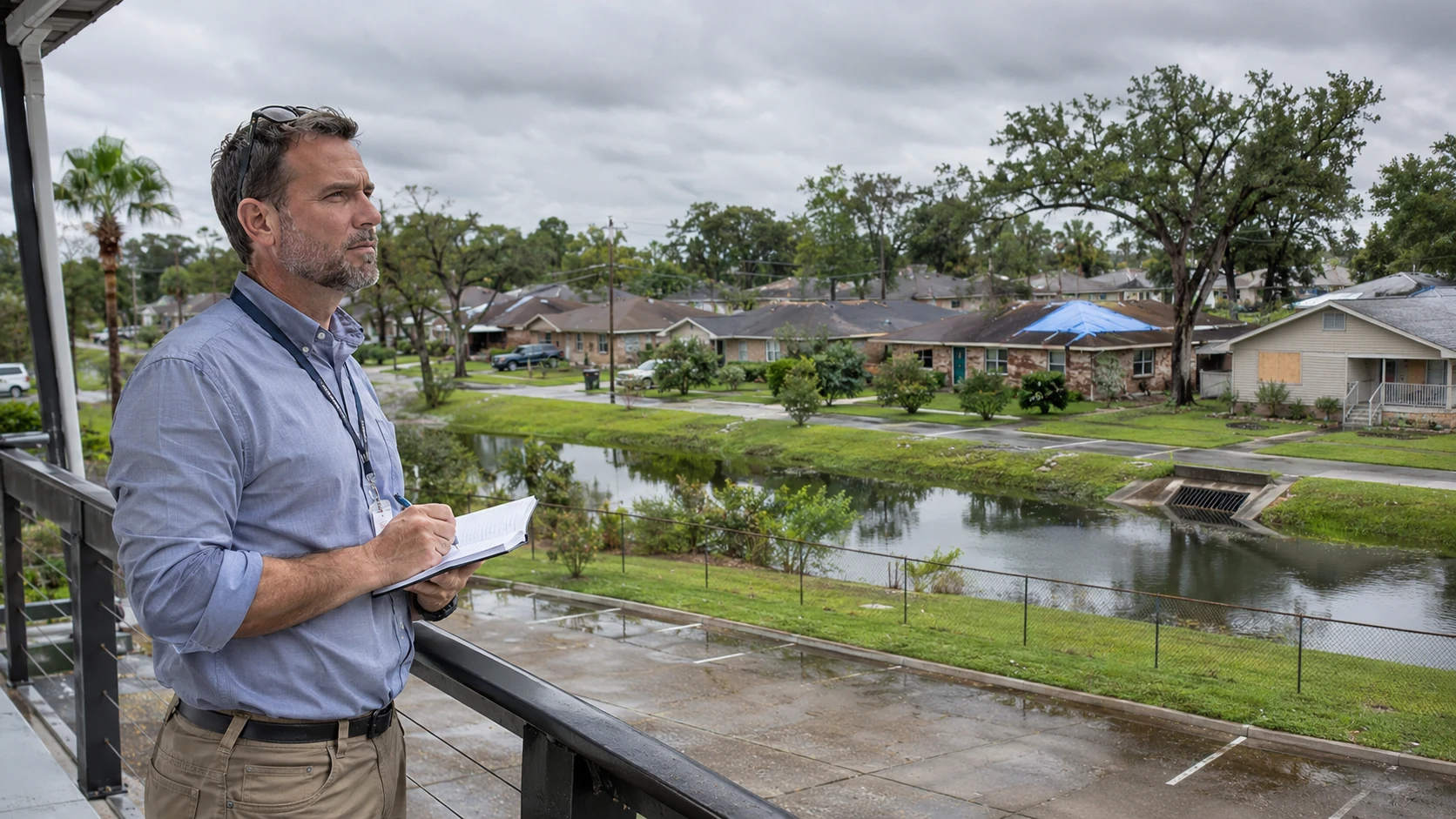
Louisiana sits in one of the most exposed stretches of coastline in the United States. Hurricanes, storm surge, and heavy rain events are not rare shocks there. They are part of the planning cycle. For insurance companies writing business in the state, managing that exposure is the difference between a sustainable book and a balance sheet that cannot survive one bad season.
This piece looks at how insurers approach catastrophe risk in Louisiana, why reinsurance has become such a pressure point, and what it means for the businesses and drivers who buy coverage.
The basic problem: correlated losses
Most insurance works because losses are spread out. One driver crashes, another does not. Catastrophes break that pattern. A single hurricane can damage thousands of homes, vehicles, and commercial properties in the same week, producing a spike in claims that no ordinary premium pool is built to absorb.
That is why catastrophe risk is managed at the portfolio level. Insurers look at how much of their total exposure sits in a given region, model plausible storm scenarios, and decide how much of that risk to keep and how much to pass on.
Reinsurance: insurance for insurers
Reinsurance is the main tool for passing risk on. An insurer pays a reinsurer to cover losses above a certain threshold, much like a homeowner pays to cover losses above a deductible. Common structures include:
- Catastrophe excess-of-loss treaties, which pay once total event losses exceed an agreed level
- Quota share arrangements, where the reinsurer takes a fixed percentage of premiums and losses
- Catastrophe bonds, which transfer storm risk to capital markets investors
After several costly hurricane seasons along the Gulf, reinsurance pricing rose sharply. Reinsurers raised rates, increased the levels at which they start paying, and tightened terms. For primary insurers, that meant either paying much more for the same protection or keeping more risk themselves.
How insurers have responded
Insurance companies in Louisiana have used a mix of strategies.
Repricing and rate filings
The most direct response is raising premiums to reflect higher reinsurance costs and expected losses. Rate increases generally go through the state’s regulatory process.
Tightening underwriting
Some carriers have reduced new business in the highest-risk parishes, required higher deductibles for wind and named-storm losses, or stopped writing certain property types.
Diversifying geographically
Insurers try to balance coastal exposure with business in lower-risk areas so that a single storm does not dominate results.
Exiting or shrinking
A number of property insurers have left the Louisiana market or failed in recent years, which pushed many homeowners toward the state’s insurer of last resort. That shift is one of the clearest signs of how catastrophe and reinsurance costs reshape a market.
Where auto insurance fits
Auto insurance is less exposed to catastrophe than homeowners coverage, but it is not immune. Flooded and storm-damaged vehicles are paid under comprehensive coverage, and a major storm can generate thousands of total-loss claims at once. Auto insurers also deal with Louisiana’s high litigation costs and a large share of uninsured drivers.
For businesses running fleets, this adds up. Commercial auto premiums in the state reflect catastrophe exposure, liability costs, and the general rise in vehicle repair prices.
What this means for businesses buying coverage
If your company operates vehicles or property in Louisiana, a few practical points help:
- Review deductibles for named storms separately. They are often a percentage of value, not a flat dollar amount.
- Ask how your insurer is reinsured. A financially strong carrier with solid reinsurance is more likely to pay quickly after a large event.
- Check financial strength ratings before choosing a carrier, especially a smaller one.
- Compare more than one market. Regional and national insurance companies in Louisiana price storm exposure differently, and the spread can be large.
Business owners comparing insurance companies in Louisiana for their vehicles should also look at claim handling, not only price. After a hurricane, the speed at which a carrier can inspect and settle claims affects how quickly your business gets back on the road.
The National Association of Insurance Commissioners publishes market data and consumer resources that can help you check a company’s complaint history and financial information.
The outlook
Catastrophe risk in Louisiana is not going away, and reinsurance will likely remain expensive as long as storm losses stay elevated. Legislative reforms aimed at reducing litigation costs and encouraging insurers to return may help over time.
For businesses, the practical answer is to treat insurance as a risk management decision rather than a line item: understand your deductibles, pick financially strong carriers, and shop the market regularly. In a state where one storm can change the whole picture, preparation is worth more than a slightly lower premium.
Before you submit
Your deal, assessed by people who close
Your financing request goes straight to the principal. You receive a written diagnosis, the proposed structure and a one-off retainer before any work starts.
Recent mandates include a USD 150m revolving credit facility and a USD 12m acquisition closed in 21 days. We are an advisory and arranging firm, not a lender, and you close directly with the lender.
- Principal-led
- Fees in writing
- KYC and AML first
- Structured Debt
- Trade Finance
- Project Finance
- Acquisitions

Financely is an advisory and arranging firm, not a lender or broker-dealer. All financing is subject to KYC, AML, due diligence and lender credit approval. No outcome or timeline is guaranteed.